24 November 2026
How to Prepare Your Property for Stump Grinding
Presented by @coastalgardennotes
Getting the Site Ready Before the Grinder Arrives
Stump grinding is a noisy, dusty job that throws wood chips and dirt in all directions. A little preparation on your part makes the work faster, safer, and less likely to damage anything you want to keep. Whether you are tackling the job yourself or having a professional come in, the same basic steps apply. The goal is to give the grinder clear access and to protect everything around it.
The first thing to do is walk around the stump and look at what is near it. Grinders are powerful machines with a spinning cutting wheel that can shred a stump in minutes, but they cannot tell the difference between a root and a sprinkler pipe. Mark any underground utilities that run near the stump. In most areas you can call a utility location service to have lines marked for free. If the stump is close to a building, a fence, or a paved surface, think about how falling debris might affect those areas.
Clear the Area Around the Stump
Start by removing anything that is loose or easily moved. Garden furniture, pots, hoses, toys, bird baths, and decorative stones should all be carried to a safe distance. The grinder needs several feet of clearance on every side to maneuver. A typical stump grinder is about as wide as a lawnmower but longer, and it needs room to swing the cutting wheel from side to side. If the stump is in a tight corner, you may need to move other items out of the way first.
Next, cut back any low-hanging branches or shrubs that overhang the stump. The operator needs to see the stump clearly and work the machine without ducking or dodging. If there are vines or ground cover growing over the stump, trim those back too. You want the stump itself to be fully visible and reachable from at least two sides.
Remove Loose Debris and Tripping Hazards
Rake away leaves, mulch, and loose soil from around the base of the stump. This gives you a clear view of the root flare and any surface roots. It also keeps the grinder from kicking up hidden rocks or sticks that could become projectiles. Look for large stones, pieces of concrete, or metal objects like old fence posts buried near the stump. These can damage the cutting teeth or get thrown by the wheel. Pull out anything solid you can lift. For larger items, mark their location so the operator can avoid them.
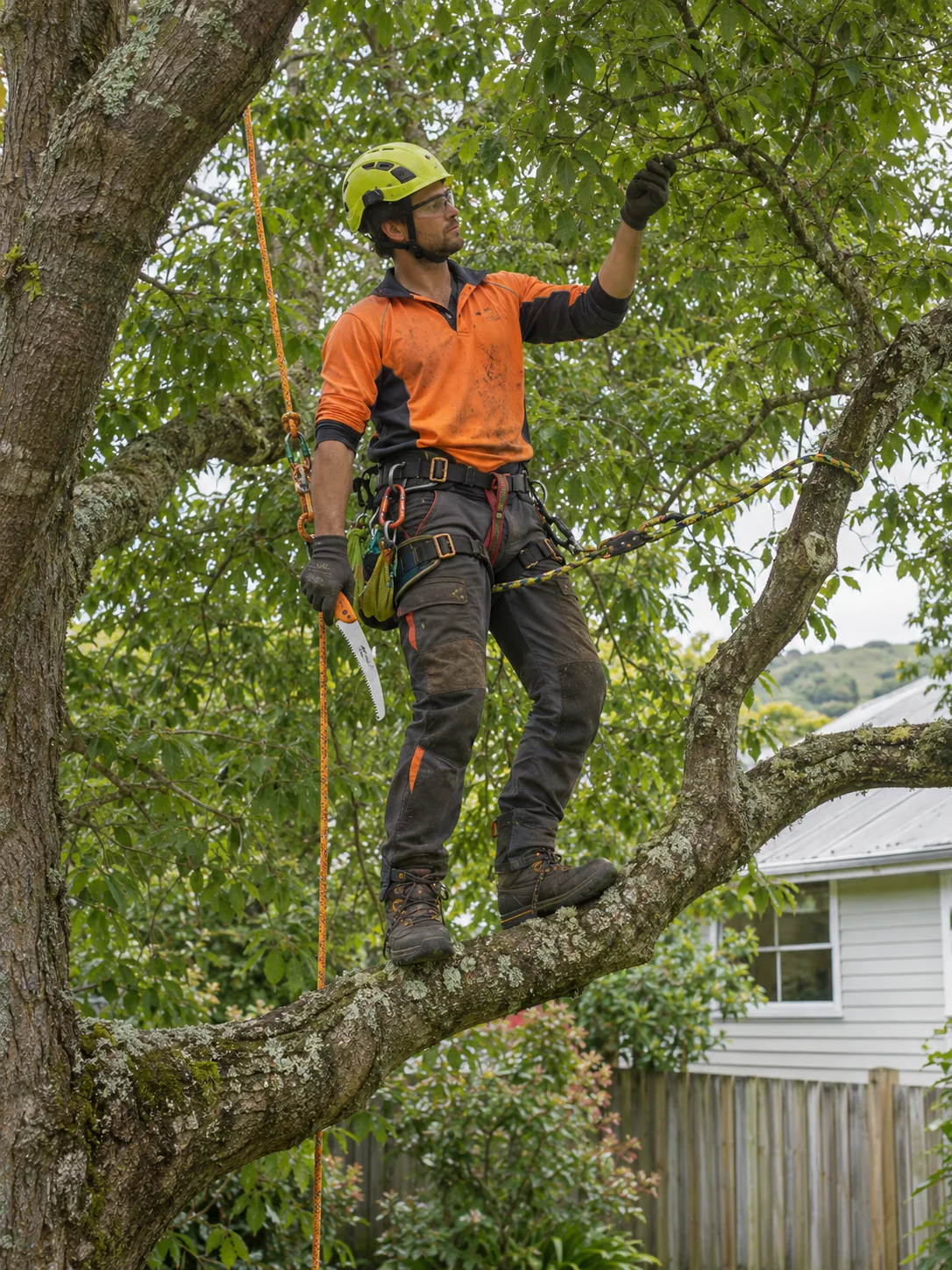
Check for trip hazards within a ten-foot radius. Exposed roots, uneven ground, or loose paving stones can cause someone to stumble while handling a heavy machine. Level the ground if you can, or at least mark the hazards with a visible object like a traffic cone or a bright flag.
Cut the Stump Down to Ground Level if Possible
Stump grinders work best when the stump is already cut low. If the tree was felled recently, the stump may be waist-high. Use a chainsaw to cut it as close to the ground as you safely can. Leave about six to twelve inches of stump above the soil. That is enough for the grinder to grab and chew through. A tall stump forces the operator to work the machine at an awkward angle, which can be slower and more tiring. If you do not have a chainsaw or are not comfortable using one, leave the stump as it is. Most professional operators can handle any height, but they will appreciate a low stump.
When cutting, watch for nails, barbed wire, or other metal embedded in the wood. Old fence trees and fruit trees often contain metal that someone hammered into the trunk years ago. Striking metal with a chainsaw chain is dangerous and ruins the chain. If you see any metal, stop cutting and let the grinder operator know. They can use a metal detector and adjust their approach.
Mark Underground Lines and Obstructions
This step is non-negotiable. Gas lines, water pipes, electrical conduits, and irrigation systems can run within a few inches of the surface. A stump grinder can sever a plastic pipe in a second, causing a leak or an electrical hazard. Call your local utility location service at least two days before the work. They will send someone to mark the approximate location of buried lines with flags or paint. The service is usually free and covers most common utilities. For private lines, such as a sprinkler system or a buried dog fence, you will need to locate those yourself. Look for valve boxes, wire ends, or the control panel. If you cannot find the lines, ask the operator for advice. Some professionals carry a line locator.
It is also worth checking for large roots from nearby trees that might be tangled with the stump. Grinding a stump that is intertwined with a living tree's roots can damage that tree. If you are unsure, ask an arborist to look at the site. They can tell you whether grinding is safe for the other trees.
Protect Nearby Surfaces and Plants
Stump grinding throws wood chips, soil, and small stones a considerable distance. Anything within thirty feet could get pelted. Cover nearby plants, shrubs, and flower beds with a tarp or a heavy drop cloth. Use stakes or bricks to hold the tarp down so it does not blow away. If there is a lawn, you can lay down plywood sheets to protect the grass from the weight of the machine and the flying debris. The plywood also gives the grinder a firm surface to drive on if the ground is soft.
Windows, siding, and outdoor furniture should be protected or moved. If the stump is right next to a house, consider hanging a plywood shield against the wall. The operator will appreciate the gesture and may do the same, but it is safer to handle it yourself. For painted or delicate surfaces, a layer of cardboard under the tarp adds extra cushioning.
Create a Clear Path for Access
Stump grinders are heavy machines. They can weigh several hundred kilograms and are often towed behind a truck or carried on a trailer. Make sure there is a clear path from the street or driveway to the stump. Gates should be wide enough to allow the machine through. Measure the gate opening if you are unsure. A standard garden gate may be too narrow. If the path goes across a lawn, consider laying down plywood or heavy boards to prevent ruts. Wet or soft ground can bog down the machine, so if it has rained recently, wait a few days for the soil to dry.

Remove any low-hanging branches, clotheslines, or wires that cross the path. The operator needs to move the machine without snagging anything. If the path involves steps, ramps, or steep slopes, discuss that with the operator beforehand. They may need to bring a smaller machine or use a different approach.
Talk to Your Neighbors
Stump grinding is loud. The sound of the grinder can carry across a property and into neighboring yards. A quick heads-up to your immediate neighbors can prevent complaints. Tell them when the work will happen and how long it is likely to take. Most jobs take between thirty minutes and two hours, depending on the size of the stump and the number of roots. If you are having multiple stumps ground, expect a longer session. A friendly warning goes a long way. Your neighbors can plan to be out of the house or put their pets inside during the noise.
If the stump sits on or near a property line, check your boundary markers. Grinding a stump that straddles the line could disturb your neighbor's soil or plants. It is better to agree on the plan together. Some people prefer to leave a boundary stump in place and grind only their side.
Consider the Debris and Cleanup
Stump grinding produces a pile of wood chips and soil. The amount can be surprising: a large stump can generate several cubic meters of material. Decide in advance where you want the chips to go. Some operators will spread them over the area as mulch, which can be a nice way to return nutrients to the soil. Others will load them into a trailer and haul them away for a fee. If you want to use the chips for garden paths or flower beds, ask the operator to pile them in a designated spot. If you do not want the chips at all, arrange for a skip bin or a green waste collection service. The same goes for the hole left behind. After grinding, there will be a depression in the ground. You can fill it with topsoil and grass seed, or with more wood chips. Plan for that step before the grinder leaves, so you have the materials on hand.
If you are doing the grinding yourself, you will need to dispose of the chips. They can be composted, used as mulch, or taken to a green waste facility. Check local regulations; some areas do not accept stump grindings because of the risk of spreading tree diseases.
Safety Gear and Personal Preparation
If you are running the grinder yourself, wear proper safety gear: hearing protection, safety glasses or a face shield, heavy gloves, steel-toed boots, and long pants. The machine throws debris at high speed, and the noise level is well above what is safe for unprotected ears. Keep children and pets indoors or at a safe distance. The operator needs to concentrate on the work without distractions.
For those hiring a professional, you still need to be present to point out the stump and any hazards. But step back and let the operator work. Do not stand directly behind the machine or in the path of the discharge chute. The operator will have a plan for the safest sequence of cuts. Trust their judgment. If you have questions, ask them before they start the machine.
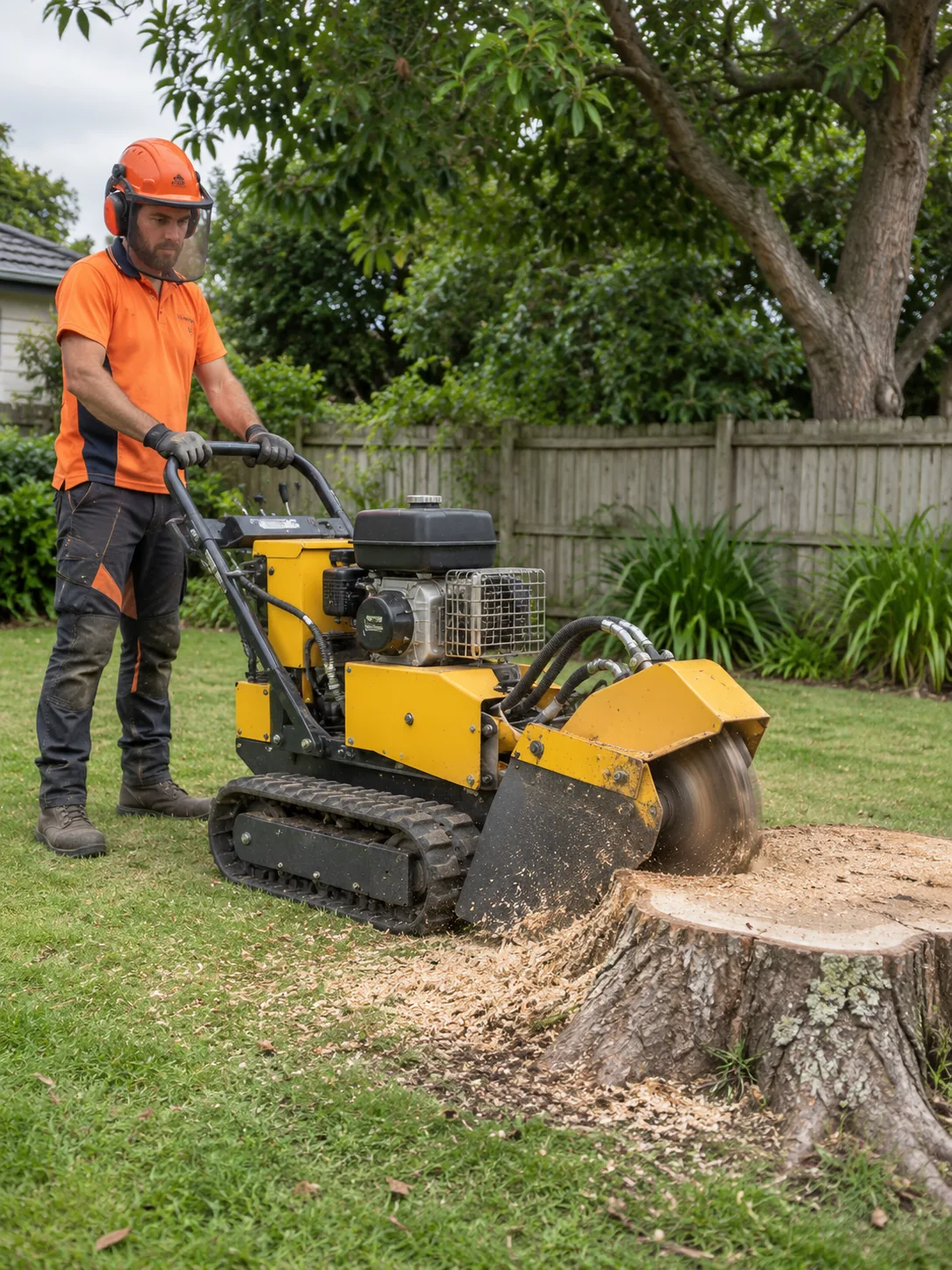
Stump grinding is one part of complete tree removal that often surprises homeowners with how much mess it creates. A well-prepared site makes the job smoother for everyone. For local property owners looking for professional assistance, Tree Removal Gisborne offers stump grinding as part of their tree care services. Their team is familiar with the Gisborne area and the types of stumps common in local gardens. If you want to learn more about what is involved, you can visit treeremovalgisborne.co.nz to see the full range of services they provide.
After the grinder leaves and the dust settles, you will have a clean area ready for replanting, landscaping, or just a clear patch of ground. The effort you put into preparation pays off in a safer, faster job and fewer surprises. Taking an hour to clear the site, mark utilities, and protect nearby surfaces saves time and money in the long run. It also shows respect for the operator's equipment and skill. A little foresight turns a messy chore into a straightforward project.
Remember that stump grinding is a permanent solution to an old stump. Once it is gone, you can use the space however you like. Whether you plant a new tree, lay turf, or install a garden feature, the hard part is done. Tree Removal Gisborne can help with the grinding itself, but the preparation is something you can handle yourself. Start early, be thorough, and you will get the best result. And if you are ever unsure about any step, treeremovalgisborne.co.nz is a good place to check for guidance on what to expect.
Tree Removal Gisborne on social media
 Facebook